Top Wound Healing Techniques for Optimal Recovery
- Matthew Salak
- Apr 22
- 4 min read

Updated: Apr 27
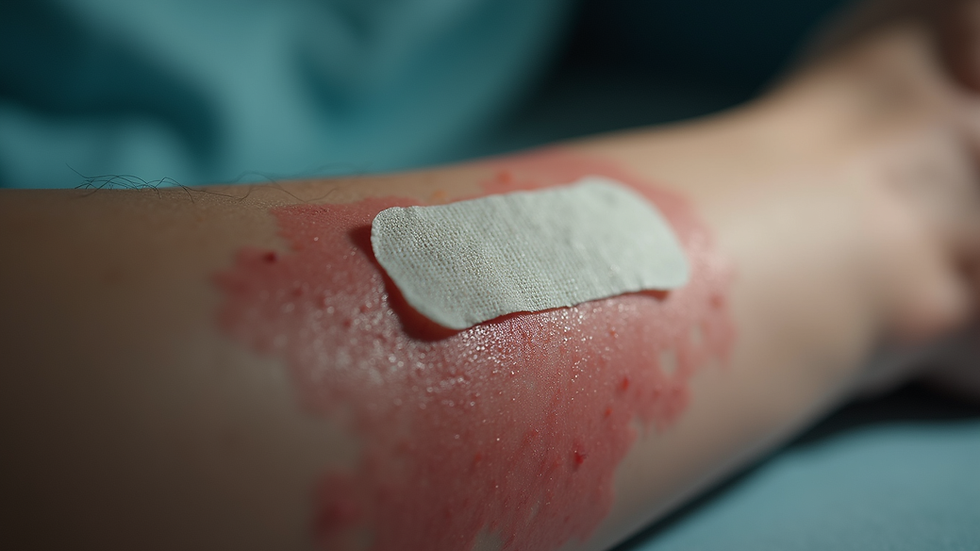
Wound healing is a critical aspect of recovery that can significantly impact a person's quality of life. Whether it's a minor cut or a more severe injury, understanding the best techniques for wound healing can make all the difference in achieving optimal recovery. In this post, we will explore various methods and practices that promote effective healing, ensuring that you or your loved ones can recover swiftly and safely.
Understanding the Wound Healing Process
Before diving into specific techniques, it’s essential to understand how wounds heal. The healing process typically occurs in four stages:
Hemostasis: This is the immediate response to injury, where blood vessels constrict and platelets aggregate to form a clot.
Inflammation: Following hemostasis, the body initiates an inflammatory response to prevent infection and clear debris.
Proliferation: New tissue forms during this phase, including collagen and new blood vessels, which are crucial for wound strength and healing.
Maturation: The final stage involves remodeling the new tissue, which can take weeks to months, depending on the wound's severity.
Understanding these stages can help you choose the right techniques to support each phase of healing.
Top Techniques for Optimal Wound Healing
1. Keep the Wound Clean
One of the most crucial steps in wound care is maintaining cleanliness. Here’s how to do it effectively:
Wash your hands: Always start by washing your hands with soap and water to prevent introducing bacteria into the wound.
Clean the wound: Use saline solution or mild soap and water to gently clean the area around the wound. Avoid using alcohol or hydrogen peroxide, as these can irritate the tissue.
Pat dry: Gently pat the wound dry with a clean cloth or sterile gauze.
2. Use Appropriate Dressings
Choosing the right dressing is vital for protecting the wound and promoting healing. Consider the following types:
Hydrocolloid dressings: These are excellent for maintaining a moist environment, which can speed up healing and reduce pain.
Foam dressings: Ideal for wounds with moderate to heavy exudate, foam dressings absorb moisture while keeping the wound protected.
Transparent film dressings: These allow for easy monitoring of the wound while providing a barrier against bacteria.
3. Maintain Moisture Balance
Keeping the wound moist is essential for optimal healing. Here are some tips:
Avoid drying out: A dry wound can lead to scabbing, which may slow down the healing process. Use ointments or gels as recommended by a healthcare professional.
Change dressings regularly: Depending on the type of dressing used, change it as needed to maintain moisture without causing maceration.
4. Control Infection
Infection can severely hinder the healing process. To minimize the risk:
Watch for signs of infection: Redness, swelling, increased pain, or discharge can indicate an infection. Seek medical attention if these symptoms occur.
Use antibiotics if prescribed: If a healthcare provider prescribes antibiotics, ensure you complete the course as directed.
5. Nutrition Matters
Nutrition plays a significant role in wound healing. Focus on a balanced diet that includes:
Protein: Essential for tissue repair. Include lean meats, fish, eggs, and legumes in your meals.
Vitamins and minerals: Vitamins A, C, and E, along with zinc, are crucial for healing. Incorporate fruits, vegetables, nuts, and whole grains into your diet.
Hydration: Staying hydrated helps maintain skin elasticity and supports overall health.
6. Manage Chronic Conditions
Chronic conditions like diabetes can impede wound healing. Here’s how to manage them:
Regular check-ups: Keep up with medical appointments to monitor and manage chronic conditions effectively.
Blood sugar control: For diabetics, maintaining stable blood sugar levels is crucial for optimal healing.
7. Consider Advanced Therapies
In some cases, advanced therapies may be necessary to promote healing. These include:
Negative pressure wound therapy (NPWT): This technique uses a vacuum dressing to promote healing by drawing out fluid and increasing blood flow to the area.
Hyperbaric oxygen therapy: This involves breathing pure oxygen in a pressurized room, which can enhance oxygen delivery to tissues and promote healing.
8. Rest and Recovery
Rest is often overlooked but is vital for healing. Ensure you:
Get enough sleep: Aim for 7-9 hours of quality sleep each night to support your body’s healing processes.
Limit physical activity: Avoid strenuous activities that could stress the wound area until it has healed adequately.
9. Follow Up with Healthcare Providers
Regular follow-ups with healthcare providers can ensure that the wound is healing correctly. They can provide guidance on:
Dressing changes: Knowing when and how to change dressings can prevent complications.
Signs of complications: Understanding what to look for can help catch issues early.
10. Psychological Support
Wound healing is not just a physical process; it can also take a toll on mental health. Consider these strategies:
Stay connected: Engage with friends and family for emotional support during recovery.
Seek professional help: If feelings of anxiety or depression arise, consider speaking with a mental health professional.
Conclusion
Wound healing is a complex process that requires attention to detail and a proactive approach. By implementing these techniques, you can significantly enhance your recovery experience. Remember, every wound is unique, and what works for one person may not work for another. Always consult with healthcare professionals for personalized advice and treatment options.
Taking charge of your wound care can lead to faster healing and a better quality of life. Whether you’re dealing with a minor scrape or a more serious injury, the right techniques can make all the difference. Prioritize your health and recovery, and don’t hesitate to seek help when needed.


Comments